
Leading with confidence in a fast-changing world
How do leaders maintain confidence, resilience and performance when the world of work is evolving faster than ever before?
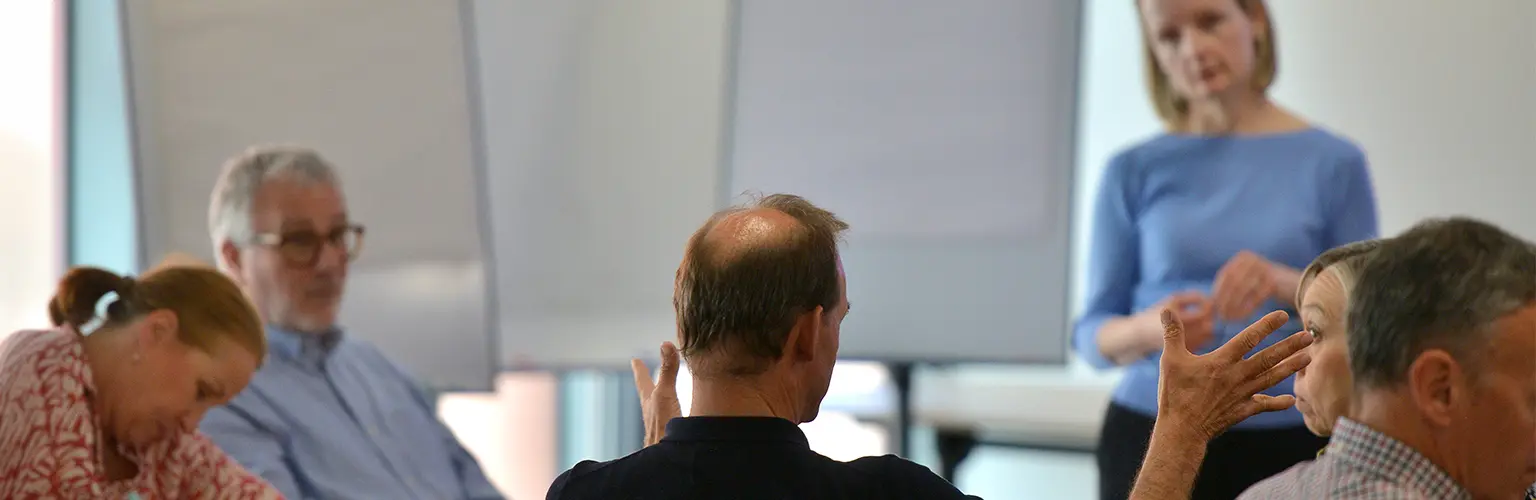
That was the central question that I explored at our latest Executive Education Insight Series breakfast event – The Human Side of Leadership: Navigating Change and Thriving Under Pressure.
Bringing together business leaders and professionals from across sectors, the session examined the increasingly human challenges of leadership in a world shaped by uncertainty, technological disruption and rising workplace pressures.
The discussion built on insights from AMBS’s recent leadership report, Navigating Unprecedented Change, which explored how UK business leaders are responding to rapid and sustained transformation across the workplace.
Based on research with 500 senior decision-makers across UK organisations, the report revealed that 73% of leaders believe their role has become more complex since 2020, while 67% experience work-related stress at least once a week. The findings provided an important backdrop for the session, reinforcing the scale of the challenges leaders are currently navigating.
The new reality of leadership
Throughout the session, I reflected on the range of forces reshaping organisational life. From geopolitical uncertainty and economic instability to changing workforce demographics and evolving employee expectations, leadership today requires navigating challenges that are often interconnected and constantly shifting.
It’s no surprise that artificial intelligence emerged as a particularly significant theme. As AI technologies continue to evolve at pace, organisations are being forced to rethink roles, skills and long-term workforce strategies in real time.
Research highlighted during the session found that new technologies and digital transformation projects are now among the biggest contributors to increased leadership complexity.
Alongside technological disruption, hybrid and flexible working continue to reshape organisational culture and communication. While new working arrangements offer greater flexibility, they also present fresh challenges around collaboration, trust and employee wellbeing. Leaders are increasingly expected to support teams that may rarely share the same physical workspace, while maintaining engagement, performance and organisational culture.
Rethinking the “perfect” leader
One of the strongest themes to emerge from the discussion was the need to challenge traditional assumptions about leadership.
Drawing on psychological research, I delved into the myth of the “perfect” leader, which is the idea that effective leadership depends on always appearing confident, decisive and in control. Instead, the session emphasised that leadership is a dynamic and highly human process shaped by self-awareness, adaptability and collaboration.
Delegates discussed how increased complexity can often lead leaders to question their own judgement. This was reflected in the AMBS research findings, which showed that two in five senior decision-makers regularly doubt their judgement at work, while more than half worry about remaining relevant as the business landscape continues to evolve.
Rather than attempting to be all things to all people, the session highlighted the importance of recognising individual strengths while acknowledging capability gaps.
Effective leadership is often less about having every answer and more about enabling others, drawing on complementary expertise and building strong support networks.
Leadership, pressure and wellbeing
Another major focus of the session was the growing relationship between leadership and wellbeing.
As leadership roles become more complex, many professionals are experiencing rising levels of pressure, stress and emotional fatigue. The session examined the concept of “technostress”, described as the strain associated with constant digital connectivity, information overload and blurred boundaries between work and personal life.
Importantly, the conversation moved beyond identifying challenges to focus on practical, evidence-based approaches that can support resilience and sustainable leadership.
I also shared research highlighting the benefits of physical activity, mindfulness, breathing techniques and psychological recovery from work. Creating opportunities to mentally disconnect from work, even briefly, can help build resilience and improve long-term wellbeing. The session reinforced the importance of normalising conversations around wellbeing in professional environments, helping to create healthier and more supportive organisational cultures.
The discussion resonated strongly with findings from the Navigating Unprecedented Change report, which revealed that 54% of leaders who said their role had become more complex also reported a negative impact on their mental wellbeing.
Developing future-ready leaders
As the session concluded, a clear message emerged: modern leadership is not about perfection or certainty, but about adaptability, self-awareness and continuous development.
Many business leaders are actively seeking support in areas such as AI, digital transformation, resilience and people management, reflecting the broad mix of technical and human skills now required to lead effectively.
I hope this session provided those in the room with the opportunity to reflect not only on the realities of leadership today, but also on how organisations can better support leaders through periods of sustained change and uncertainty.
For those interested in exploring these themes further, discover AMBS’s wide range of executive education programmes designed to help leaders build confidence, resilience and future-focused leadership capabilities.
If you haven’t already, read the Navigating Unprecedented Change report for further insight into the challenges and opportunities shaping modern leadership.